December 09,10, 2026
Webinar


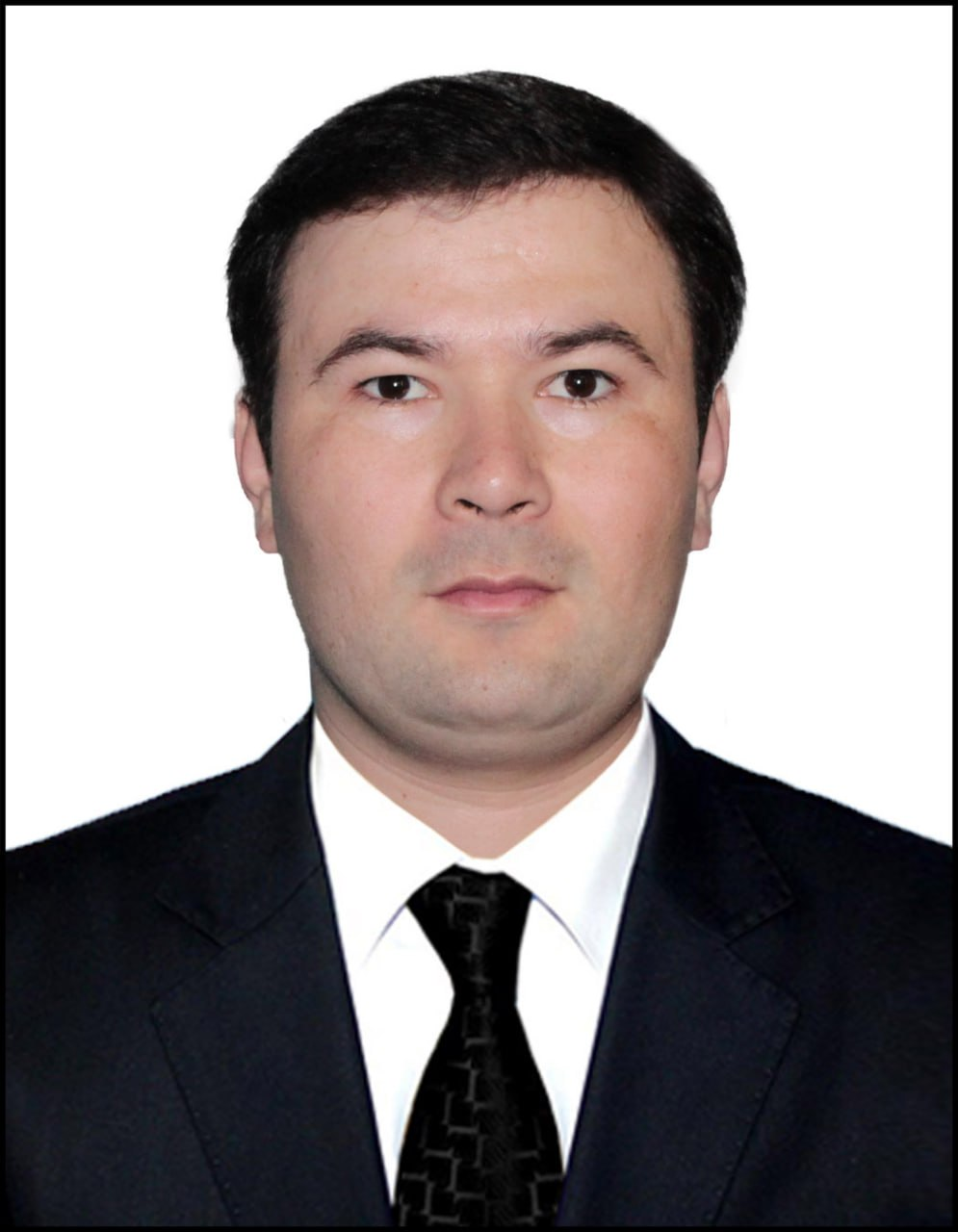
Nodir Nurmetov, MD
Talk : Research interests will be updated soon.
Abstract
Background
Multiple sclerosis (MS) is a chronic autoimmune neurodegenerative disease of the central nervous system characterized by demyelination and the formation of sclerotic lesions in the brain and spinal cord. Effective non-pharmacological interventions are needed to reduce disability and improve functional recovery during disease progression.
Objective
To comprehensively evaluate the efficacy of repetitive transcranial magnetic stimulation (rTMS) in patients with cerebral forms of multiple sclerosis based on clinical, neurological, and neurofunctional parameters.
Methods
The study included 90 patients with multiple sclerosis, aged 30–50 years, during an acute exacerbation phase. Participants were divided into two equal groups. Group 1 (main group, n=45) consisted of patients with secondary progressive multiple sclerosis (SPMS), while Group 2 (control group, n=45) included patients with primary progressive multiple sclerosis (PPMS).
Group 1 received high-frequency (10–20 Hz) rTMS targeting the dorsolateral prefrontal cortex (DLPFC), primary motor cortex (M1), supplementary motor area (SMA), and occipital cortex for 15 days (20 minutes per day, 5 days per week). Group 2 underwent low-frequency (≤5 Hz) rTMS targeting the DLPFC and primary somatosensory cortex (S1) to address anxiety and sensory disturbances, combined with high-frequency (10–20 Hz) rTMS targeting the bilateral M1 sites (R-M1 and L-M1) to reduce spasticity, following the same treatment schedule. Clinical outcomes were assessed after 25 days using the Expanded Disability Status Scale (EDSS).
Results
Baseline EDSS scores were 6.4 ± 2.5 in Group 1 and 6.2 ± 2.0 in Group 2. Following the intervention, EDSS scores decreased by 3.6 points in Group 1 (p < 0.001) and by 4.2 points in Group 2 (p < 0.05). Both groups demonstrated a substantial reduction in disability levels. Positive neurological dynamics in Group 1 demonstrated higher efficacy, with comparative analysis showing that the rate of functional recovery in Group 1 was 1.16 times higher than in Group 2 (p < 0.01).
Conclusion
The incorporation of repetitive transcranial magnetic stimulation into the management of multiple sclerosis demonstrated beneficial effects on disability levels and neurological function. The findings suggest that rTMS may support functional recovery and may reduce the clinical requirement for muscle relaxants, sedatives, and antidepressants, potentially contributing to improved quality of life in patients with multiple sclerosis.
Keywords: Multiple sclerosis; repetitive transcranial magnetic stimulation; rTMS; cerebral multiple sclerosis; EDSS; neurorehabilitation; neurological recovery.
Biography
Highly qualified neurologist with extensive clinical experience in diagnosing and managing disorders of the central and peripheral nervous systems. Skilled in evidence-based medicine, patient-centered care, and modern diagnostic approaches. Strong interest in neurodegenerative diseases, multiple sclerosis, and headache disorders. Committed to continuous professional development and delivering high-quality medical care in international healthcare settings.